

A Century of Courage. A Legacy Worth Continuing.
What does a century of courage look like? It looks like this. From our very first days as the Butler School of Religion in 1924 to our 100th anniversary in 2024, CTS has been making history — one bold decision at a time. Explore the milestones and achievements that have defined us, shaped us, and continue to drive us forward.
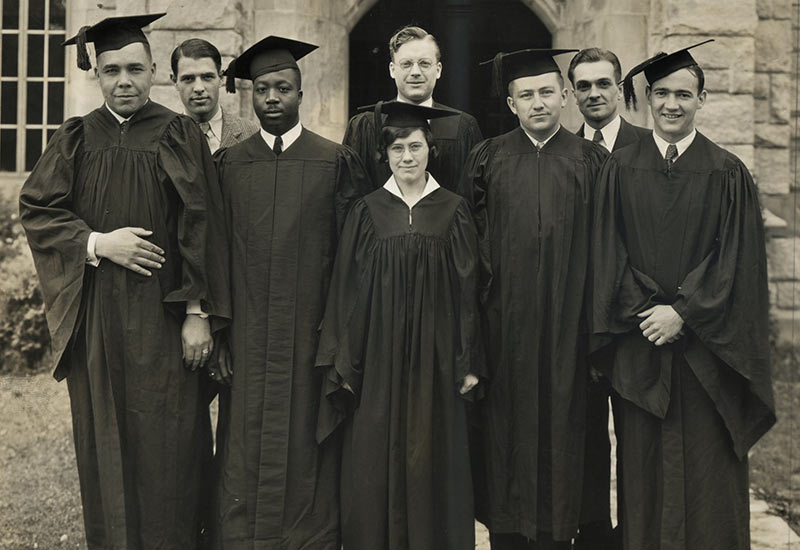
1924
The Butler School of Religion opens, offering theological education to “all students on an equal basis,” including women, students of color, and those of varied theological worldviews.
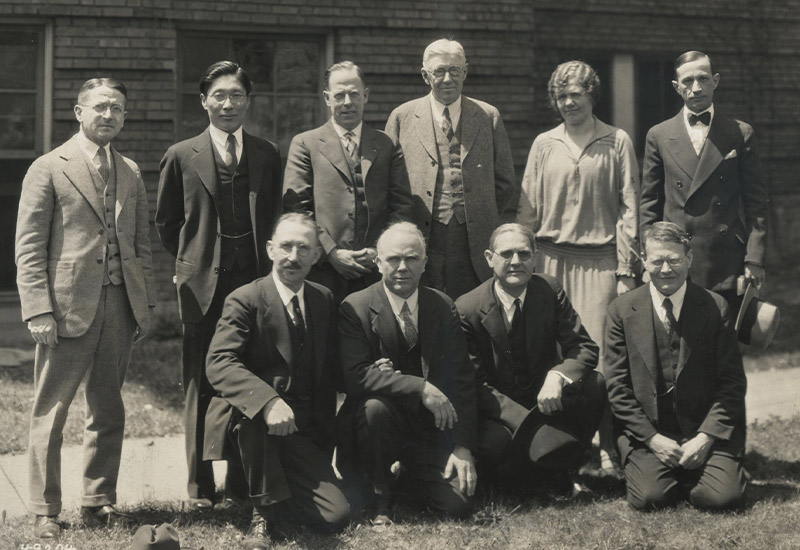
1925
Rabbi Morris Feuerlicht of the Indianapolis Hebrew congregation begins his work as a lecturer at the Seminary.
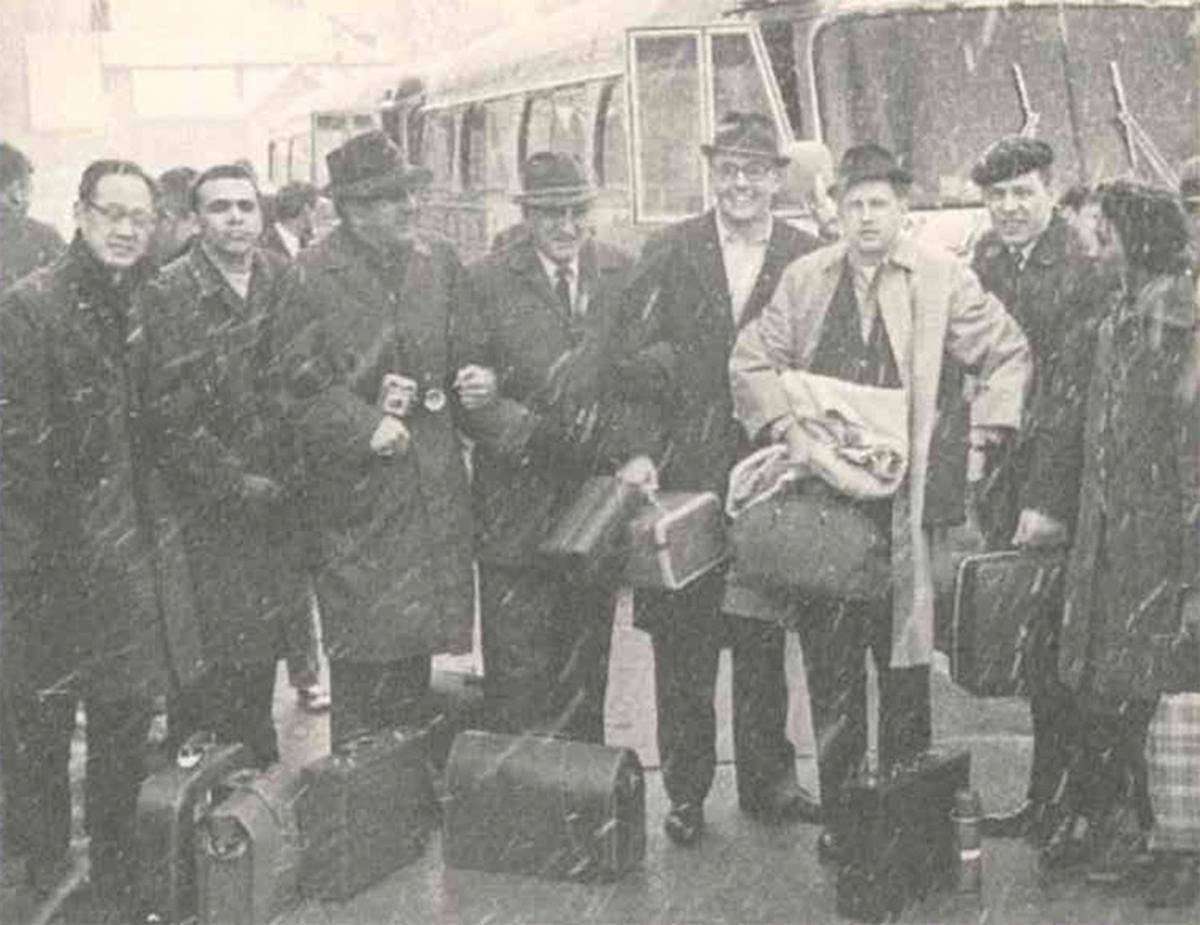
1964
Students participated in the theological students vigil in Washington DC in the spring, while others march on Selma as an expression of solidarity with the people who followed Dr. Martin Luther King Jr.’s non-violent struggle.
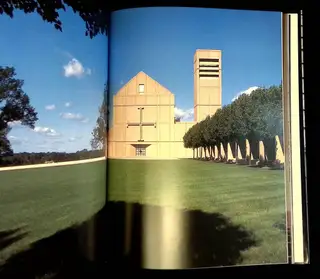
1966
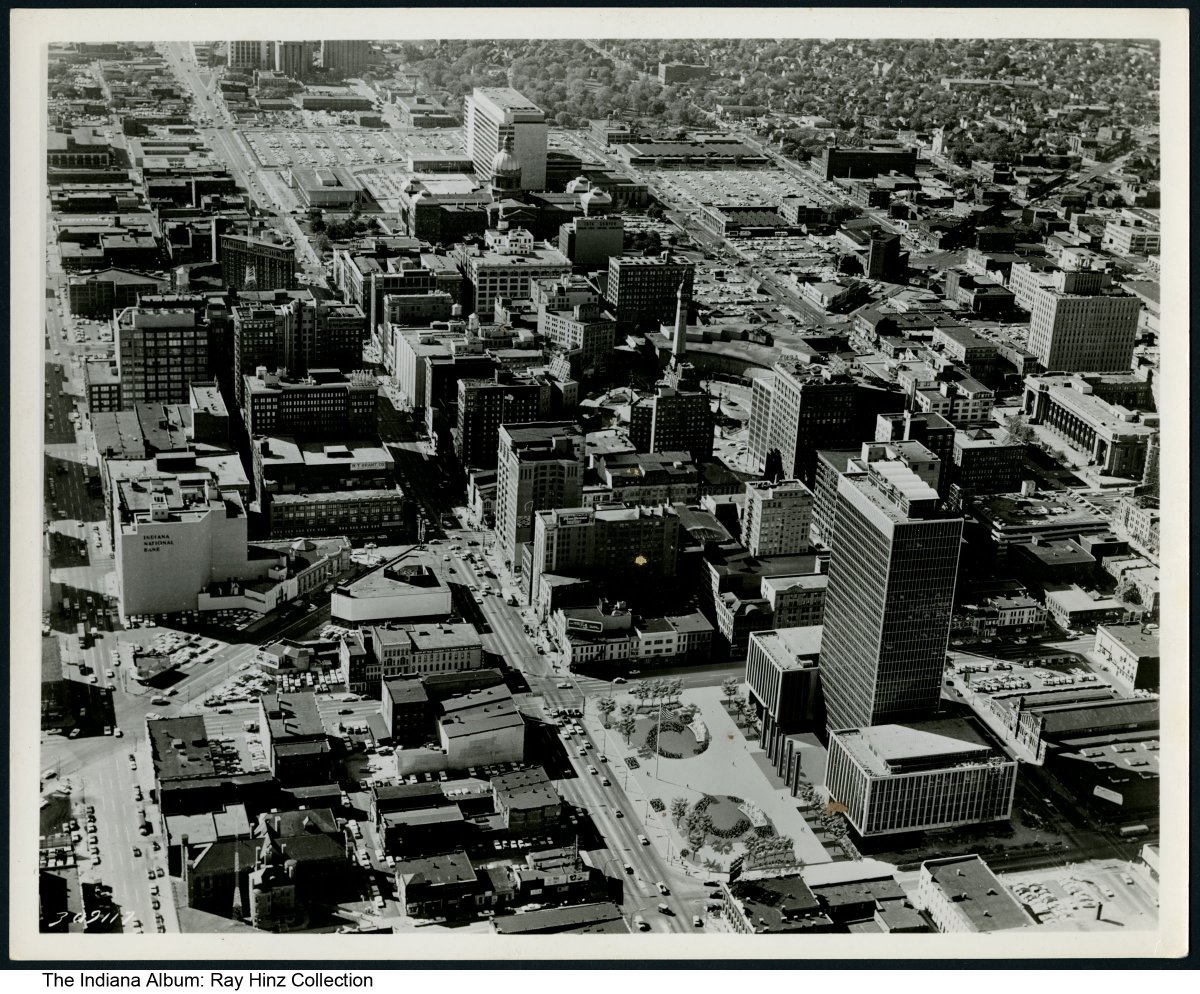
The radical newness of CTS Edward Larrabee Barnes’ architecture seen as one of the most important examples of contemporary architecture in Indiana.
1969
The Seminary begins an urban intern program that place students in offices of business, labor and political leaders of the city to evaluate their work and answer the question “how do these decision makers address issues of justice in our community?”
1970
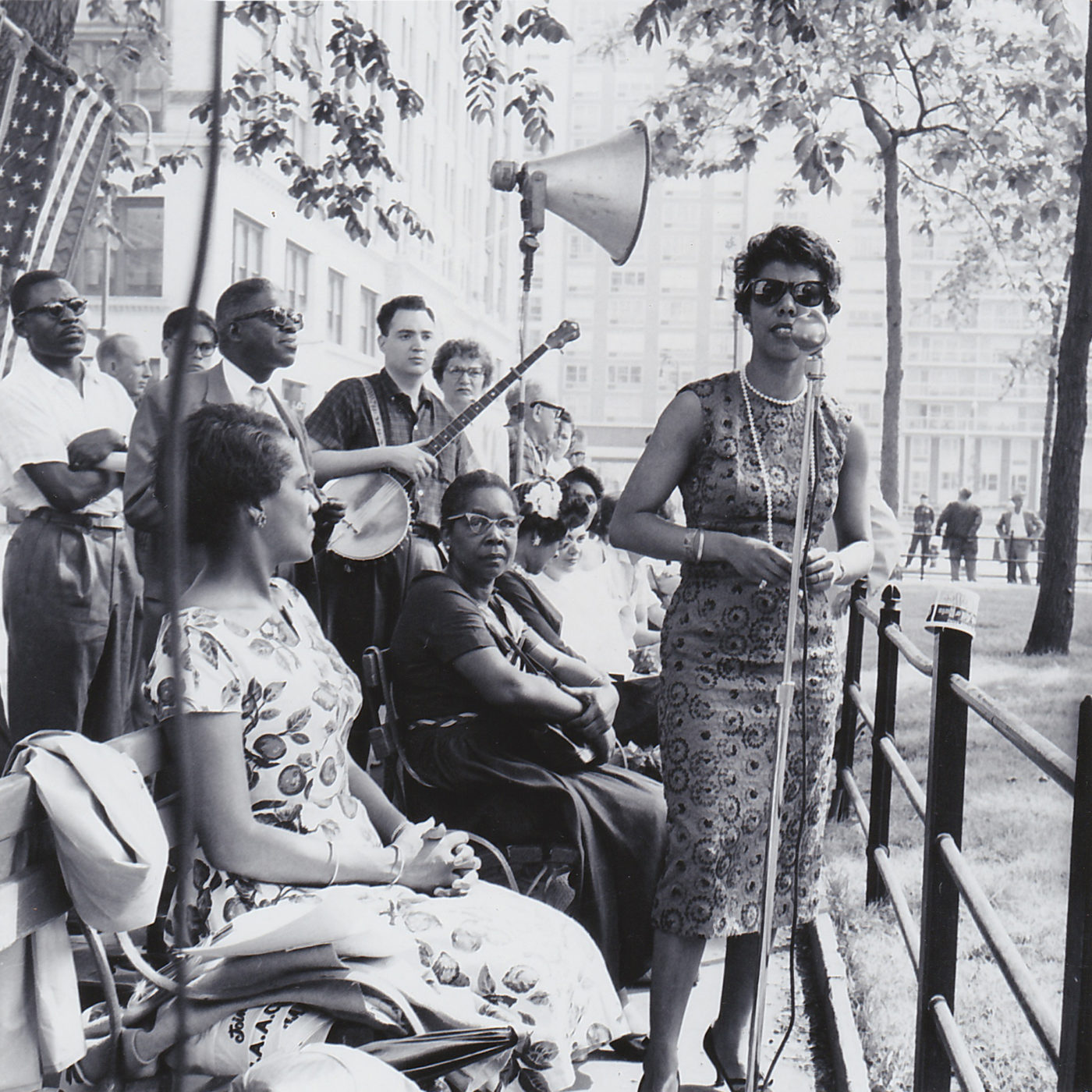
Seminary students put on trailblazing playwright Lorraine Hansberry’s 1964 play, The Sign in Sidney Brustein's Window.
1970
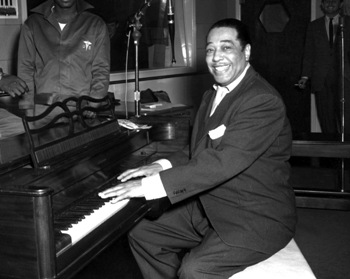
Duke Ellington, the composer and band leader, receives an honorary Doctor of Humane Letters degree from Christian Theological Seminary.
1970
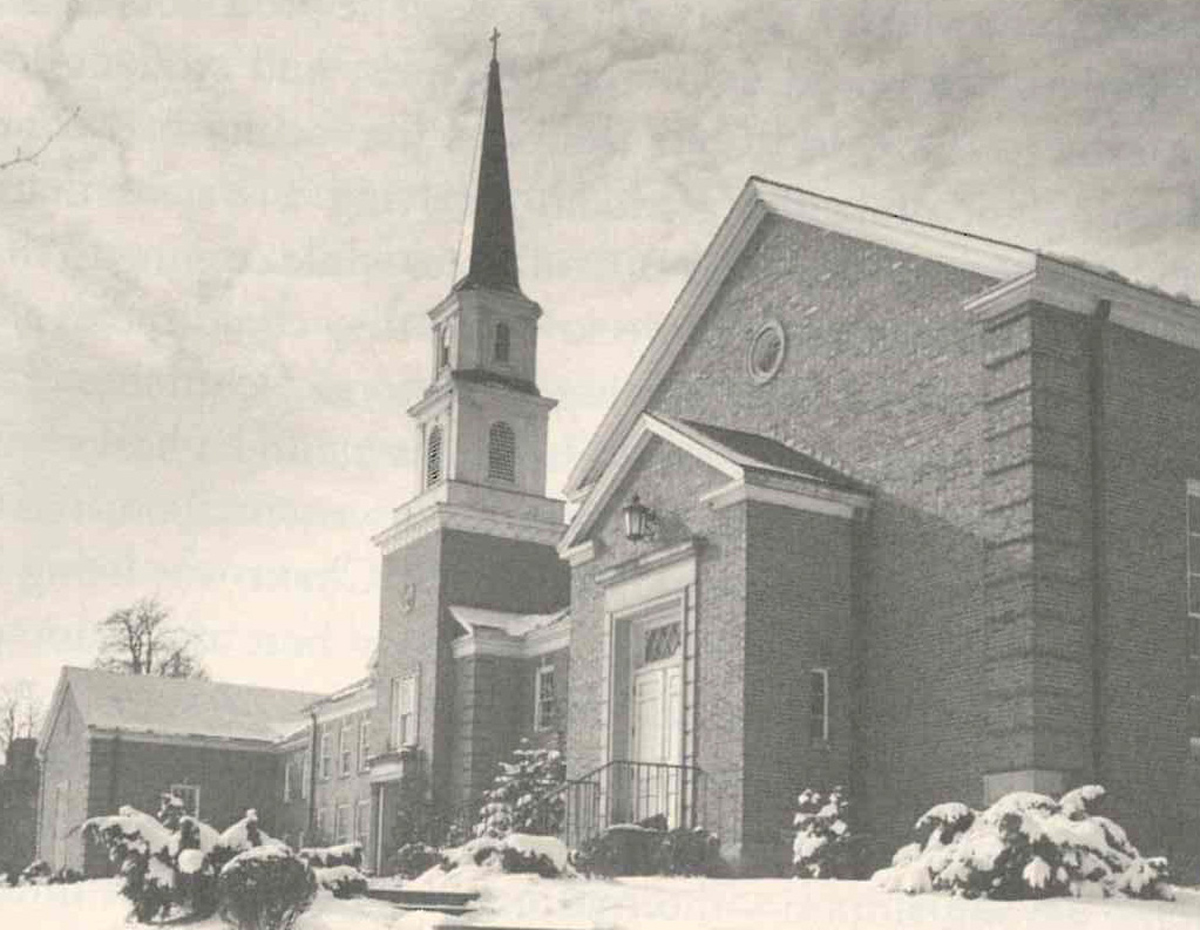
A “new ethos” develops at CTS, emphasizing the church’s active engagement with contemporary issues and social scientific approaches to the study of religious faith.
1972
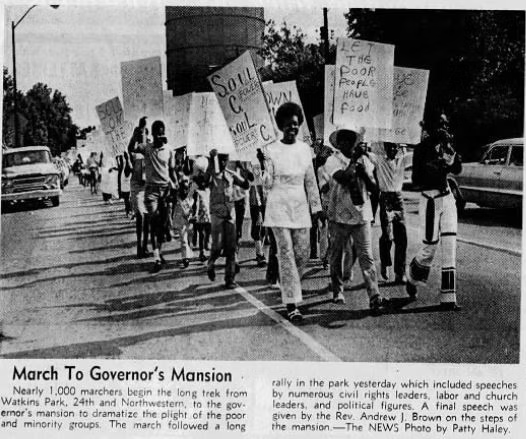
Project Understanding launches as a way to minister to one of the most troubling aspects of American culture: the relations between the dominant white culture and the culture of African-Americans.
1973
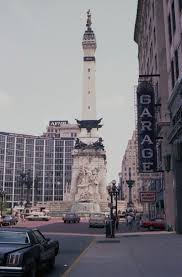
Project Expertteach introduced on campus to provide experiences in creative teaching within the educational ministry of the parish church, conducted workshops in 30 congregations from six denominations.
1977
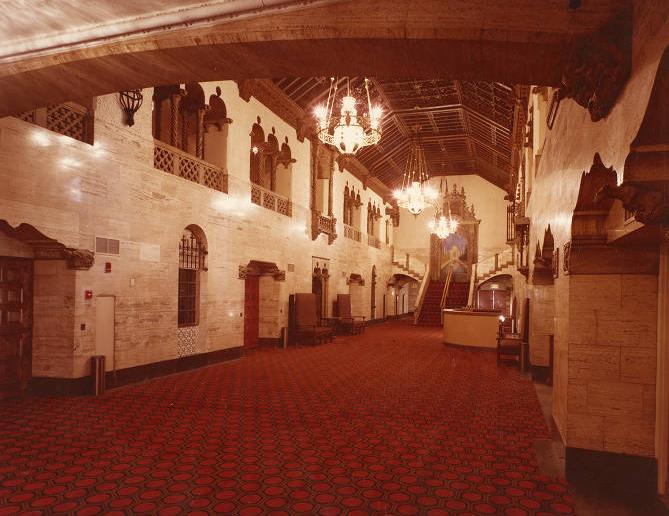
Expressing the Seminary’s ongoing interest in the arts, the Repertory Theater at CTS puts on seven major plays, 83 performances, attracting more than 27,000 guests.
1979
The Seminary cooperates with the Jewish Community Relations Council and sponsors a statewide conference on the moral implications of the holocaust.
1979
The student association sponsors a series of fine arts festivals, including a musical play written by a recent graduate, a series of lectures on the relationship of the fine arts and theology, a choral concert, and an art show and competition by local artists.
1980
The student association sponsors a daylong conference with leadership by CTS professors, and guest leaders from Chicago, Kentucky, and Indianapolis regarding Christian perspectives on homosexuality.
1980
A new venture called “The Working Conference” on processed philosophy and biblical theology, shaped by the premise that a new frontier of realism was sweeping the western world and allowing the Seminary to break fresh ground in the task of interpreting the Biblical ethos for the coming age.
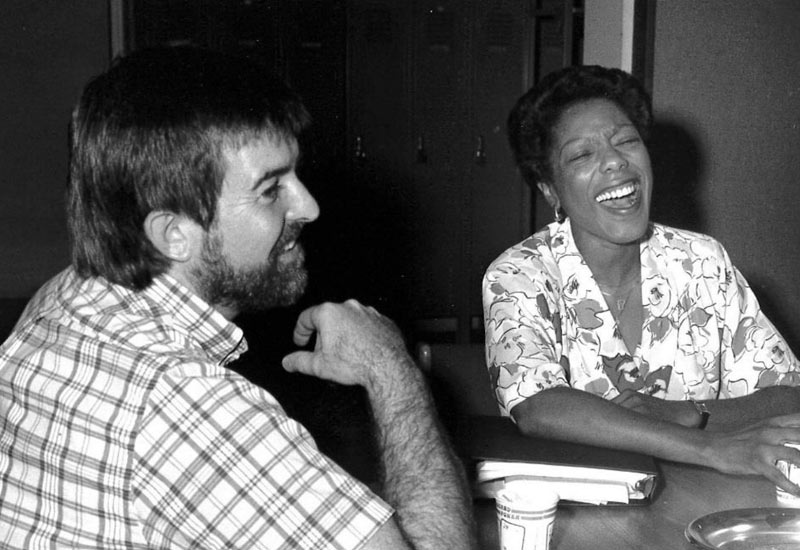
1988
CTS sets goal to diversify the administration, faculty, staff and student body by 2000.
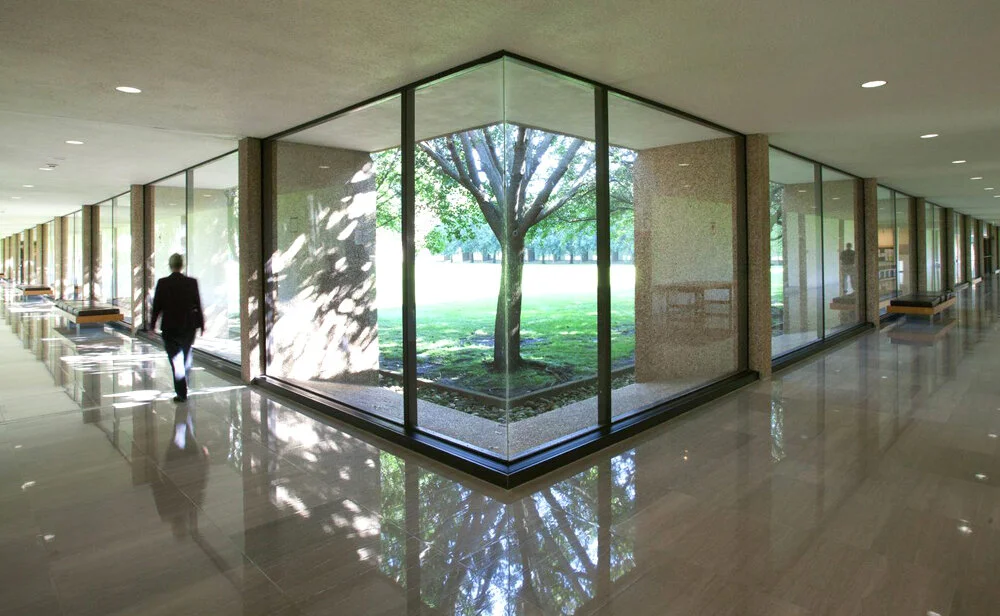
1989
The Seminary hosts two conferences on the nature of biblical authority designed to promote dialogue between conservative and liberal protestant traditions.
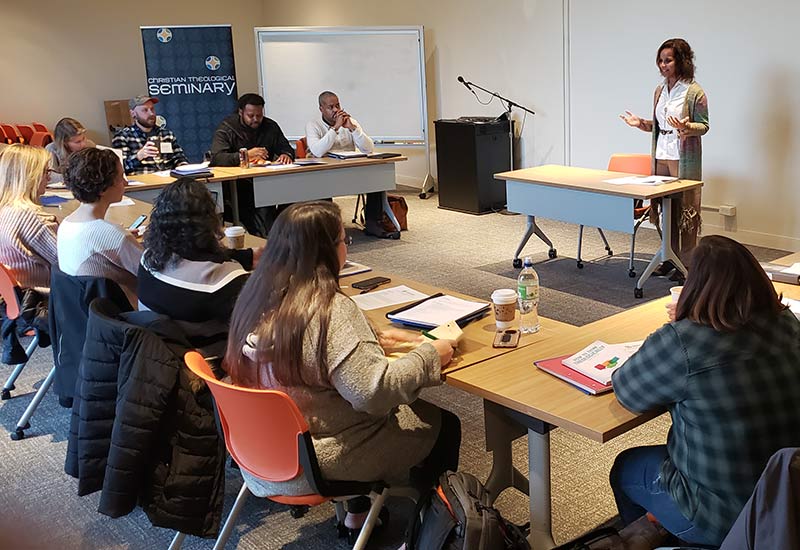
2003
CTS reaches goals of diversifying the administration, faculty, staff, and student body.

2012
The Trustees adopt a resolution making CTS “open and affirming,” committed to the full inclusion of the LGBTQ community.
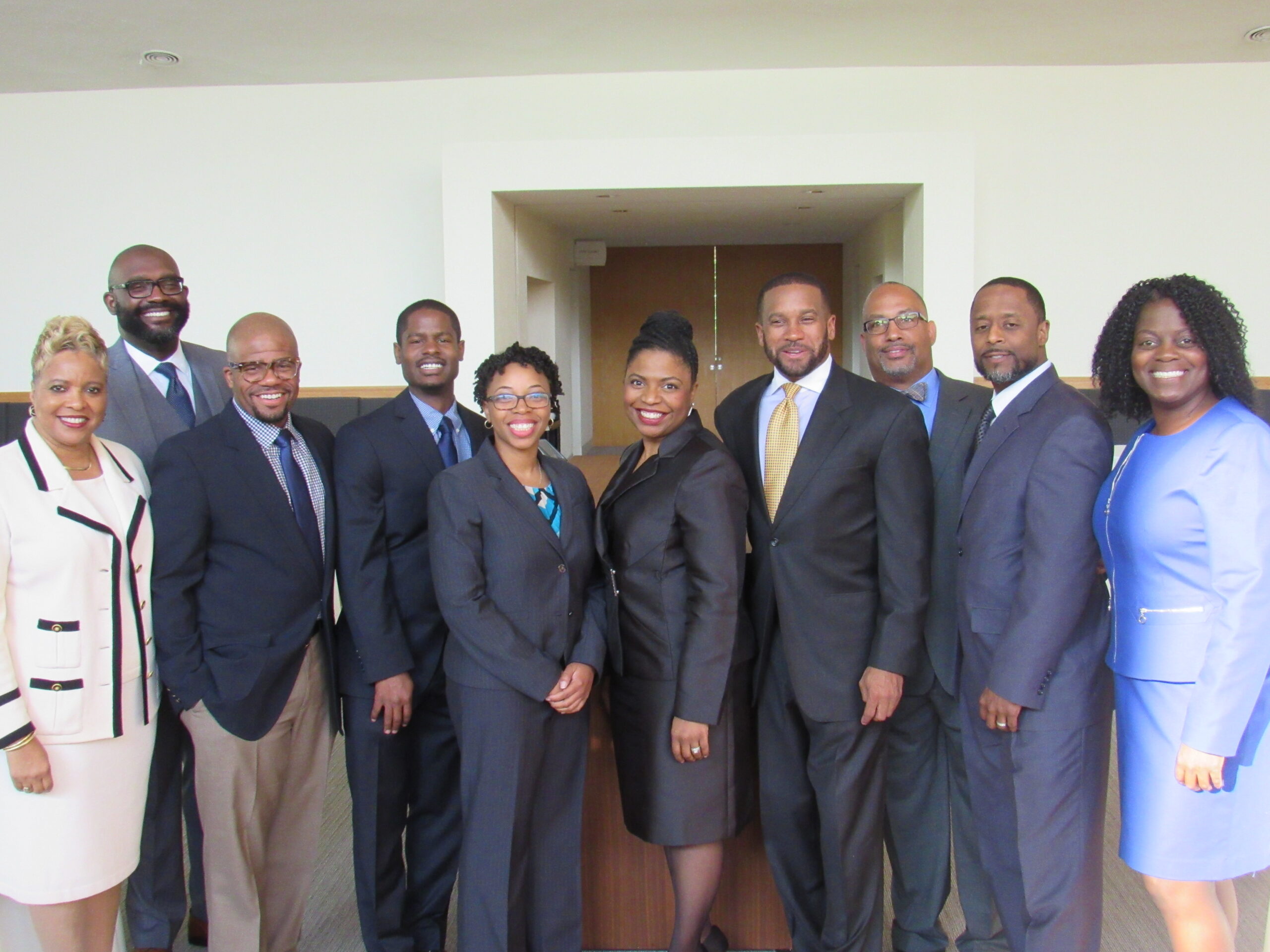
2016
CTS launches the first-of-its-kind PhD degree program in African American Preaching and Sacred Rhetoric.
2023
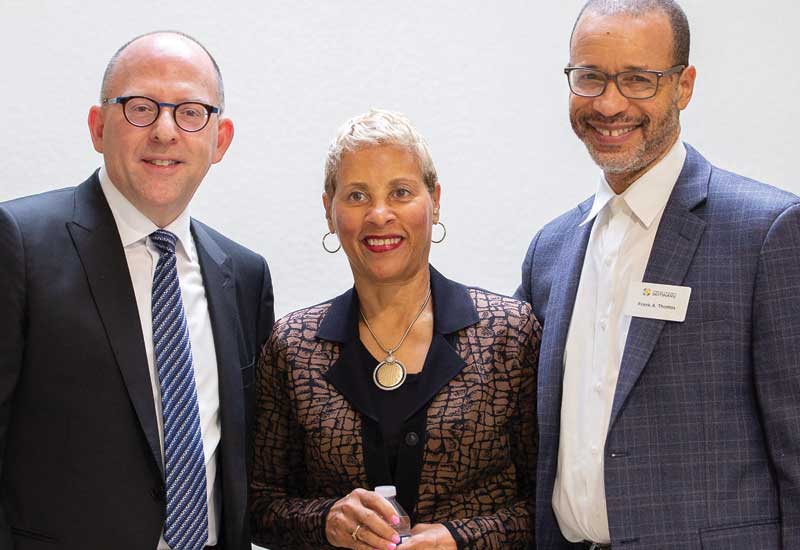
CTS announces the formation of the School of Theology and the School of Counseling.
2024
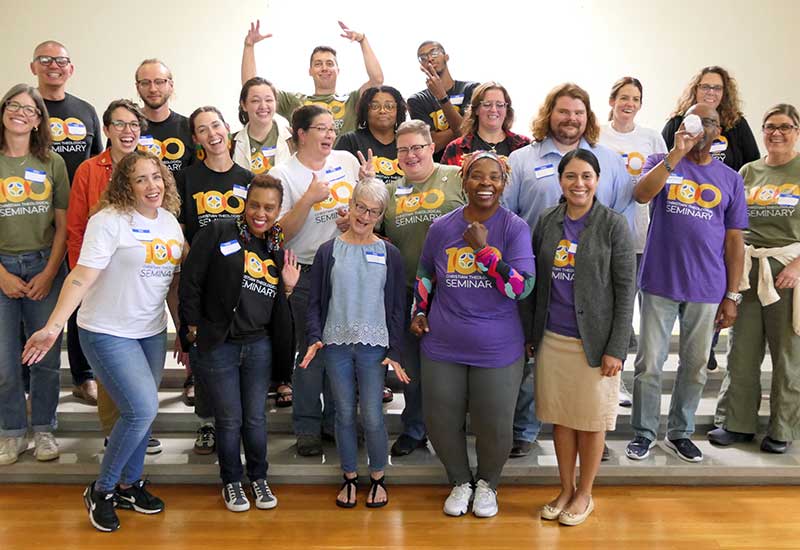
Christian Theological Seminary celebrates its 100th Anniversary – a century of offering theological education to “all students on an equal basis.”
2026
CTS launches RISE UP: The Campaign for Human Flourishing. This is its most ambitious campaign yet, considering what will be possible as we expand the Seminary’s impact through leadership formation, justice, healing, and community engagement.
The milestones you just explored didn't happen by accident. They happened because, generation after generation, CTS chose to show up — to lead when it was hard, to serve when it was needed, and to believe that the work of the Church extends far beyond the walls of any building. That same conviction drives everything we do today. Your support ensures that the leaders, programs, and resources that have defined CTS for 100 years continue to grow, evolve, and serve for the next 100.